Views: 0 Author: Site Editor Publish Time: 2026-02-23 Origin: Site
Modern building facades demand visual detail without rising costs.
Exterior decorative mouldings now face strict budget pressure.EPS Cornice Moulding has become a practical choice in this context.
It balances facade appearance with cost control needs.In this article, you will learn why this solution fits modern facades.
We explore its value from a cost-effectiveness perspective.
EPS Cornice Moulding refers to exterior decorative moulding elements made from expanded polystyrene. It is commonly used to create linear or shaped details along building facades. In architectural use, it serves a visual function rather than a structural one. EPS Cornice Moulding is applied as an exterior moulding component that enhances facade articulation. It helps define edges, transitions, and proportions on modern buildings. Because EPS is lightweight, these mouldings do not alter the primary wall system. They are typically installed as surface-mounted decorative elements. In modern construction, EPS Cornice Moulding is treated as part of the facade finishing layer.
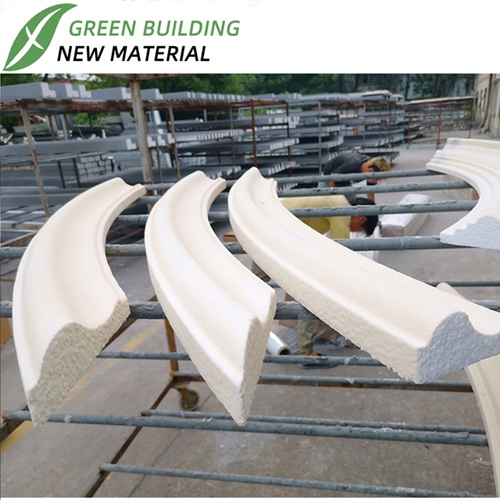
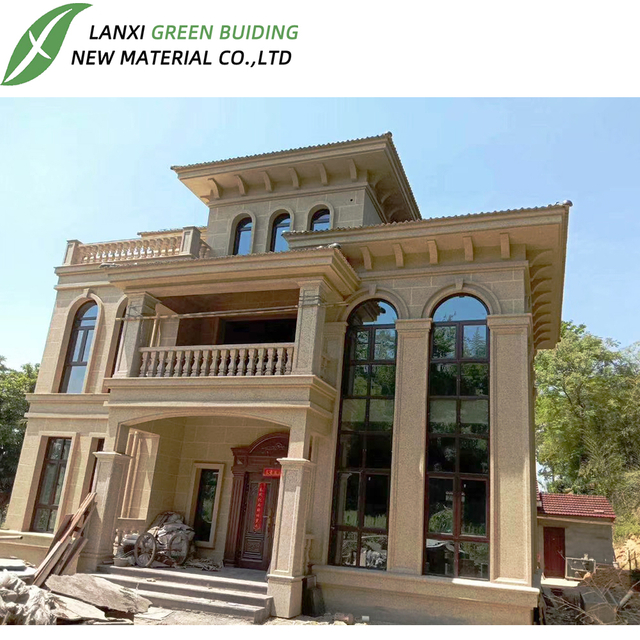
EPS cornice elements are commonly installed at horizontal transitions on building facades. These locations help visually separate floors or rooflines. Typical application areas include roof eaves, parapet edges, and upper wall terminations. EPS Cornice Moulding is also used above windows and doors to create visual framing. In some designs, it appears along balcony edges or facade projections. These locations allow the moulding to enhance depth without structural changes. The placement is driven by architectural design rather than load requirements. This makes EPS cornice elements suitable for both new construction and renovation projects.
EPS-based exterior mouldings are used because they align with modern construction priorities. Lightweight materials reduce handling complexity during installation. EPS Cornice Moulding allows decorative detailing without increasing facade load. This supports cost control in design and execution phases. EPS materials are easy to shape, which supports consistent facade detailing. They also allow designers to apply decorative elements across large surfaces. In modern construction, EPS-based mouldings fit projects where efficiency matters. Their use reflects a balance between visual impact and practical constraints.
EPS Cornice Moulding is produced from expanded polystyrene, a lightweight foam-based material widely used for exterior decorative mouldings. Its internal structure contains a high proportion of air, which reduces material density while maintaining the required shape for facade detailing. This characteristic allows decorative elements to be formed without relying on dense construction materials. As a result, EPS Cornice Moulding supports facade design goals without increasing material intensity.
From a cost planning perspective, material characteristics directly influence budgeting decisions. EPS-based exterior mouldings help stabilize material input across large facade areas. This is especially relevant for projects with repetitive decorative elements. Key material-related cost considerations include:
● Reduced raw material consumption due to low density
● Consistent shaping without complex material layering
● Lower risk of material waste during cutting and fitting
These factors allow project teams to estimate quantities with greater accuracy. EPS Cornice Moulding fits projects where facade decoration must remain predictable in scope and cost. Over the building lifecycle, stable material input supports controlled expenditure from design through installation.
Transportation and handling play an important role in total facade cost. EPS Cornice Moulding is lightweight, which simplifies logistics throughout the construction process. It can be transported using standard vehicles and does not require special lifting equipment. This reduces planning complexity for delivery and unloading stages. On-site storage is also more flexible because weight limits are less restrictive.
Handling characteristics influence daily site operations. EPS Cornice Moulding can be moved manually by workers, which reduces reliance on mechanical lifting. This affects both time and coordination during facade installation. The table below outlines how lightweight mouldings influence handling-related cost factors:
Handling Aspect | Impact on Project Cost |
Transportation weight | Lower logistical constraints |
On-site movement | Reduced equipment dependency |
Storage requirements | More flexible space planning |
Handling workflow | Simplified site coordination |
EPS Cornice Moulding is commonly used as a surface-mounted exterior decorative element. Its installation process focuses on positioning and fixing rather than structural integration. Because the material is lightweight, it can be handled directly by installation crews. This reduces dependence on heavy equipment during facade work. EPS Cornice Moulding is typically applied after primary wall construction. This allows facade detailing to proceed without interrupting core building activities.
Installation simplicity affects labor coordination across the site. Workers can install EPS cornice elements using standard tools. This supports predictable task sequencing and reduces waiting time between trades. Common installation-related characteristics include:
● Manual handling without lifting machinery
● Straightforward alignment along facade edges
● Flexible installation timing within the construction schedule
These factors help limit labor hours spent on facade detailing. They also reduce coordination complexity between installers and site managers. Over the building lifecycle, controlled labor input contributes to overall cost stability.
Lightweight decorative mouldings influence how facade loads are managed. EPS Cornice Moulding adds minimal weight to exterior walls. This characteristic allows it to be used without changing the original structural design. In facade planning, load considerations often affect material selection. EPS-based mouldings avoid additional load calculations in many decorative applications.
Reduced structural load supports cost control in several situations. It becomes relevant in renovation projects or height-restricted designs. It also matters when decorative elements are applied repeatedly across large surfaces. The table below outlines how lightweight mouldings affect structural considerations:
Aspect | Impact on Cost Planning |
Added facade weight | Minimal influence on structure |
Structural reinforcement | Often not required |
Design constraints | Fewer load-related limitations |
Exterior decorative elements remain exposed throughout a building’s service life. EPS Cornice Moulding is used in applications where long-term appearance matters. General durability expectations focus on shape stability and surface condition. As a non-structural element, its performance is evaluated visually rather than mechanically. This shifts maintenance planning toward inspection and surface upkeep.
Maintenance requirements influence long-term cost evaluation. EPS Cornice Moulding does not require frequent intervention when used appropriately. Typical long-term considerations include:
● Periodic visual inspection of exterior surfaces
● Limited repair scope if localized damage occurs
● No structural maintenance dependency
These characteristics help simplify maintenance planning. Building owners can anticipate lower ongoing attention compared with heavier decorative materials. Over time, manageable maintenance needs support the cost-effective role of EPS Cornice Moulding in modern building facades.
Plaster-based exterior mouldings have long been used for decorative facades. They rely on mineral-based compositions and are formed through casting or on-site shaping. EPS Cornice Moulding differs in material structure and application method. It is manufactured from lightweight foam and installed as a finished decorative component. This distinction affects handling and installation planning. Plaster elements often require longer curing or finishing stages. EPS Cornice Moulding avoids these steps, which simplifies facade detailing work. In project planning, this difference influences labor sequencing and time allocation.
From a practical perspective, plaster mouldings are more sensitive to site conditions. Moisture and handling can affect their surface during installation. EPS-based exterior mouldings are less dependent on on-site forming. This supports consistent application across multiple facade areas. For projects with tight schedules, this distinction becomes more relevant. Material behavior during installation plays a role in overall cost assessment.
Concrete and stone decorative elements are dense materials used for visual emphasis. Their weight influences structural planning and installation methods. EPS Cornice Moulding presents a different approach to exterior decoration. It provides visual definition without contributing significant load. This allows designers to add facade detail without modifying structural assumptions. Concrete or stone elements often require mechanical lifting. EPS mouldings can be positioned manually in most cases.
Material density also affects transport and site logistics. Heavy decorative elements demand careful handling and storage. EPS Cornice Moulding reduces these constraints through low weight. This influences project coordination and risk management. When applied across large facade surfaces, material weight becomes a planning factor. EPS-based solutions align better with projects prioritizing efficiency. The comparison highlights how material choice affects cost-related decisions beyond appearance.
Wood-based exterior mouldings are used for traditional facade detailing. They offer natural aesthetics but require careful material treatment. EPS Cornice Moulding differs in composition and performance expectations. It does not rely on organic material behavior. This affects how the material responds to environmental exposure. Wood elements may require regular surface attention over time. EPS mouldings are evaluated mainly for shape stability and appearance.
Installation practices also differ between the two materials. Wood mouldings often require precise cutting and fastening. EPS Cornice Moulding allows simpler handling due to its form and weight. This influences labor planning and installation consistency. In modern construction, material predictability matters. EPS-based exterior mouldings fit projects where uniformity is required across multiple units. These differences shape long-term maintenance considerations.
The table below provides a general comparison of EPS Cornice Moulding with common facade materials. It focuses on practical factors rather than performance claims.
Material Type | Weight Impact | Handling Complexity | Installation Effort | Maintenance Needs |
EPS Cornice Moulding | Low | Simple | Moderate | Low to moderate |
Plaster mouldings | Medium | Moderate | Higher | Moderate |
Concrete or stone | High | Complex | High | Low |
Wood mouldings | Medium | Moderate | Moderate | Higher |
EPS Cornice Moulding is commonly applied in building types where exterior decoration is required without structural modification. Residential buildings often use it to define rooflines, window surrounds, or facade transitions. Low- and mid-rise housing projects benefit from its lightweight nature. Commercial buildings also apply EPS cornice elements to achieve consistent exterior detailing. In mixed-use developments, it supports repeated facade patterns across multiple units. Renovation projects use EPS Cornice Moulding when existing structures cannot accept added load. These scenarios reflect a focus on visual enhancement rather than structural change.
Typical application contexts include:
● Residential housing and apartment buildings
● Commercial and mixed-use facade decoration
● Renovation projects with load limitations
These building types share a need for controlled cost and predictable installation. EPS Cornice Moulding fits environments where decorative consistency matters.
Not all facade projects favor lightweight decorative mouldings. Some situations require materials that provide structural contribution. In such cases, EPS Cornice Moulding may not be appropriate. High-impact zones or load-bearing facade elements often use dense materials. Projects with strict heritage requirements may also specify traditional materials. In these contexts, visual authenticity may outweigh cost considerations.
Alternative materials are typically considered when:
● Decorative elements must support structural loads
● Local regulations require traditional construction materials
● Facade elements face continuous mechanical impact
Understanding these boundaries helps prevent inappropriate material selection. It ensures that EPS Cornice Moulding is used where its characteristics align with project needs.
Design planning plays an important role in exterior moulding application. EPS Cornice Moulding is used as a non-structural element. Designers must ensure it integrates with the primary facade system. Surface alignment and joint detailing influence visual outcome. Installation sequencing should avoid conflict with other facade trades. Weather exposure during installation also affects surface handling.
Key practical considerations include:
● Coordination with facade finishes and coatings
● Proper alignment at corners and transitions
● Allowance for inspection and future access
Cost-effectiveness extends beyond the initial material price.
EPS Cornice Moulding balances material use, installation, and maintenance.Its lifecycle value reflects weight, handling, and long-term stability.
These factors guide facade cost decisions over time.Jinhua Green Building Industry & Trading Co.,Ltd supports this approach.
Their EPS Cornice Moulding delivers practical value for modern facades.
A: EPS Cornice Moulding is assessed for lifecycle cost, installation efficiency, and compatibility with facade systems.
A: EPS Cornice Moulding suits projects needing decorative detailing without increasing structural load or installation complexity.
A: EPS Cornice Moulding costs relate to material efficiency, labor input, handling effort, and long-term maintenance planning.
A: EPS Cornice Moulding is non-structural and unsuitable where decorative elements must carry mechanical loads.
A: EPS Cornice Moulding reduces handling effort and simplifies installation compared with heavier facade moulding materials.