Views: 0 Author: Site Editor Publish Time: 2025-12-31 Origin: Site
Are you aware of the massive waste generated by foam materials? Hot Melt Recycling Machines offer a solution to this pressing issue. These machines transform bulky foam waste into compact, reusable blocks, significantly aiding in recycling efforts.
In this article, we’ll explore what a Hot Melt Recycling Machine is, its purpose, and its importance in waste management. We’ll also highlight Green Building Machinery as a key player in this innovative technology.
Hot Melt Recycling plays a crucial role in addressing the growing waste problem associated with foam materials, especially Expanded Polystyrene (EPS). Every year, millions of tons of EPS end up in landfills, contributing to environmental degradation. By utilizing Hot Melt Recycling Machines, we can significantly reduce this waste.
Recycling EPS and similar foams through hot melt technology offers numerous environmental advantages. Here are some key points:
● Waste Reduction: Hot melt recycling can compress foam waste by up to 90:1. This drastic reduction in volume helps alleviate landfill pressure and minimizes the need for new waste disposal sites.
● Resource Conservation: By recycling foam, we conserve valuable resources. The process transforms waste into reusable materials, reducing the demand for virgin plastic production, which is resource-intensive.
● Lower Carbon Footprint: Recycling reduces greenhouse gas emissions associated with the production and disposal of foam products. It promotes a circular economy, where materials are reused rather than discarded.
Environmental Benefit | Description |
Waste Reduction | Compresses waste, reducing landfill impact. |
Resource Conservation | Reduces need for new raw materials. |
Lower Carbon Footprint | Cuts emissions related to production and disposal. |
The economic impact of Hot Melt Recycling is significant. Companies can save money while contributing to a greener planet. Here’s how:
● Cost Savings: By recycling EPS, businesses can lower disposal costs and avoid landfill fees. The recycled material can often be sold or reused, creating additional revenue streams.
● Job Creation: The recycling industry generates jobs in collection, processing, and manufacturing. Investing in hot melt recycling technology supports local economies.
● Competitive Advantage: Companies adopting sustainable practices can improve their market position. Consumers increasingly prefer environmentally responsible brands, boosting sales for those committed to recycling.
Economic Advantage | Description |
Cost Savings | Lowers disposal costs and generates revenue. |
Job Creation | Supports local economies through new jobs. |
Competitive Advantage | Attracts eco-conscious consumers. |
Hot Melt Recycling Machines contribute significantly to sustainable manufacturing. By integrating these machines into production processes, companies can enhance their sustainability efforts in several ways:
● Closed-Loop Systems: Manufacturers can create closed-loop systems where foam waste is continuously recycled into new products. This minimizes waste and maximizes resource efficiency.
● Innovation in Materials: The recycling process encourages innovation in material development, leading to new products that meet environmental standards while maintaining quality.
● Compliance with Regulations: Many regions have strict regulations regarding waste management. Utilizing hot melt recycling helps companies comply with these laws, avoiding penalties and enhancing their reputation.
Hot Melt Recycling aligns with global sustainability goals, such as the United Nations Sustainable Development Goals (SDGs). By focusing on responsible consumption and production, hot melt technology supports efforts to combat climate change and promote sustainable practices worldwide.
Through effective recycling of EPS and other foams, businesses can contribute to a cleaner environment and a more sustainable future. This technology not only benefits individual companies but also supports global initiatives aimed at reducing waste and promoting sustainability.
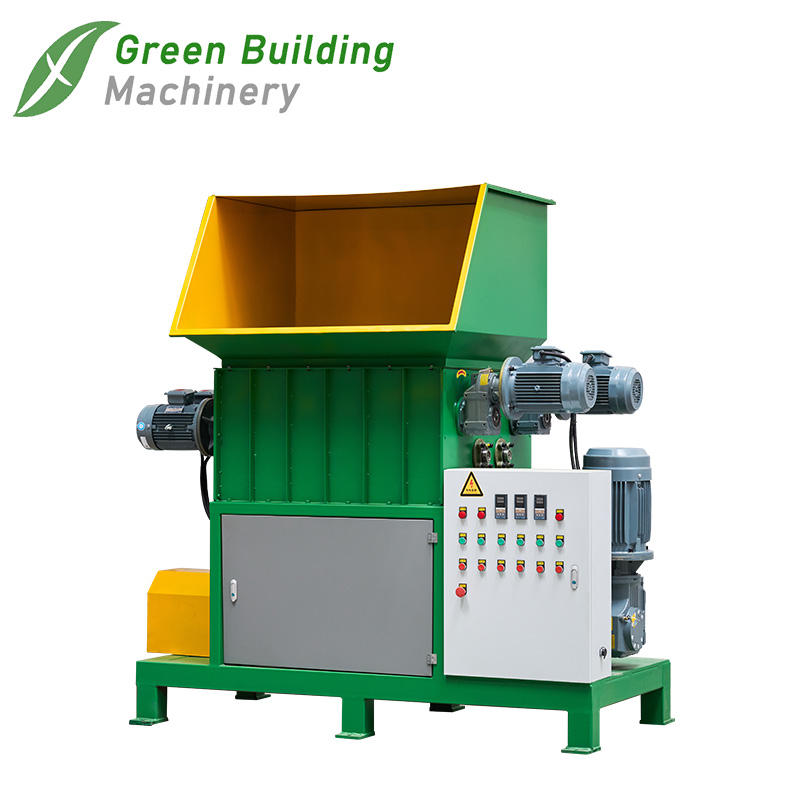
Hot Melt Recycling Machines operate through three essential processes: crushing, melting, and extrusion. Understanding these steps helps clarify how they transform bulky foam waste into reusable materials.
The first step in the recycling process involves crushing the bulky foam. Here’s how it works:
● Feeding the Machine: Large pieces of foam are fed into the machine through a hopper. This initial step is crucial for preparing the material for shredding.
● Shredding Process: Inside the machine, powerful blades shred the foam into smaller pieces. This shredding increases the surface area, making it easier to melt the material later. The shredded foam is then collected and moved to the next stage.
Step | Description |
Feeding | Foam enters the machine through a hopper. |
Shredding | Blades cut the foam into smaller, manageable pieces. |
Once the foam is shredded, it moves to the melting phase. This stage is critical for transforming the solid material into a molten state.
● Heating Process: The machine heats the shredded foam using controlled temperature settings. Typically, temperatures range from 180°C to 220°C (356°F to 428°F), depending on the material being processed.
● Role of the Rotating Screw: A rotating screw plays a vital role in this phase. It mixes the shredded foam as it heats, ensuring even melting. This continuous motion helps prevent clumping and guarantees a uniform melt.
Component | Function |
Heating System | Maintains high temperatures for effective melting. |
Rotating Screw | Mixes and melts the foam evenly. |
The final step is extrusion, where the molten material is shaped into new forms.
● Shaping the Material: The melted foam is pushed through a die, which shapes it into blocks or ingots. This process allows for the creation of uniform products that can be easily handled and transported.
● Cooling and Solidification: After extrusion, the material enters a cooling chamber. Here, it is cooled down, solidifying into its new shape. This cooling process is crucial for ensuring the quality and integrity of the final product.
Process | Description |
Shaping | Molten foam is extruded through a die. |
Cooling | The material solidifies in a cooling chamber. |
Through these core processes—crushing, melting, and extrusion—Hot Melt Recycling Machines effectively convert waste foam into valuable reusable materials. This technology not only reduces landfill waste but also supports a more sustainable manufacturing approach.
Hot Melt Recycling Machines stand out in the recycling industry due to their advanced features and capabilities. Understanding what makes these machines unique can help businesses make informed decisions about their recycling processes.
These machines are designed with several key features that enhance their efficiency and effectiveness in recycling foam materials. Here are some of the standout characteristics:
● Multi-Stage Temperature Control: This feature allows for precise temperature management throughout the melting process. By using multiple heating zones, the machine can adapt to different types of foam, ensuring optimal melting without damaging the material.
● High Torque Capabilities: Hot Melt Recycling Machines are equipped with high torque motors. This design prevents jams during operation, allowing for continuous processing of bulky materials. The increased torque ensures that the machine can handle tough foam without interruptions.
Feature | Description |
Temperature Control | Multiple zones for precise heating. |
High Torque Motors | Prevents jams and enhances efficiency. |
Another notable feature is the efficient crushing mechanism. This component is crucial for minimizing dust and waste during the recycling process.
● Dust Minimization: The shredding process is designed to produce minimal dust, which can be harmful in recycling operations. By reducing dust, the machine ensures a cleaner working environment and better material quality.
● Waste Reduction: Efficient crushing not only minimizes dust but also maximizes the amount of material that can be recycled. This means more foam waste is converted into reusable products, contributing to sustainability.
Advantage | Impact |
Dust Reduction | Creates a safer working environment. |
Maximized Recycling | Increases the volume of foam that can be processed. |
Environmental impact is a significant concern in recycling. Hot Melt Recycling Machines are designed to operate with low emissions, making them eco-friendly options in the industry.
● Sustainable Operation: These machines are engineered to minimize harmful emissions during the melting phase. This not only meets regulatory standards but also aligns with global sustainability goals.
● Clean Technology: The low emissions contribute to a cleaner atmosphere, making these machines suitable for environmentally conscious businesses.
One of the leading models in the market is the EPS Belt Conveyor Plate Hot Melt Recycling Machine (Model: GB-MM100) from Green Building Machinery. Here are some of its key features:
● Integrated Conveyor System: The GB-MM100 includes a built-in conveyor system for efficient feeding of foam material. This feature streamlines the recycling process, reducing manual handling.
● User-Friendly Interface: It comes with an intuitive control panel, making it easy for operators to adjust settings and monitor the machine's performance.
● Robust Construction: Designed for durability, the GB-MM100 can withstand heavy use in industrial settings, ensuring long-term reliability.
Feature | Description |
Conveyor System | Streamlines material feeding. |
User-Friendly Interface | Simplifies operation and monitoring. |
Durable Design | Built to last in demanding environments. |
These features make Hot Melt Recycling Machines, particularly the GB-MM100, valuable assets for businesses looking to enhance their recycling efforts while promoting sustainability.
Hot Melt Recycling Machines are incredibly versatile, capable of processing a wide range of foam materials. Understanding the types of materials that can be recycled is essential for businesses looking to improve their waste management practices.
Here’s a closer look at some of the primary materials processed by Hot Melt Recycling Machines:
EPS is one of the most commonly recycled materials in the foam industry. It’s lightweight and used extensively in packaging, insulation, and construction.
● Recycling Benefits: By recycling EPS, businesses can significantly reduce landfill waste. The process transforms EPS into reusable pellets, which can be used in various applications.
XPS is another type of foam widely used for insulation in buildings and refrigeration.
● Durability: XPS is more durable than EPS, making it suitable for applications requiring moisture resistance. Recycling XPS helps recover valuable resources while minimizing environmental impact.
Material Type | Common Uses | Recycling Benefits |
Expanded Polystyrene (EPS) | Packaging, insulation, construction | Reduces landfill waste and creates reusable pellets. |
Extruded Polystyrene (XPS) | Building insulation, refrigeration | Recovers resources and minimizes environmental impact. |
EPE is a flexible foam commonly used in protective packaging and cushioning.
● Recycling Process: Hot Melt Recycling Machines can efficiently process EPE, converting it into reusable forms. This not only reduces waste but also supports the production of new packaging materials.
EPP is known for its resilience and is often used in automotive parts and sports equipment.
● Value of Recycling: Recycling EPP through hot melt technology allows manufacturers to reclaim high-quality material, reducing the need for new polypropylene production.
EVA is a versatile plastic often used in footwear, toys, and packaging.
● Recyclability: Hot Melt Recycling Machines can process EVA, allowing companies to recycle scrap and waste effectively. This contributes to sustainability by reducing the consumption of virgin materials.
Material Type | Common Uses | Recycling Benefits |
Expanded Polyethylene (EPE) | Protective packaging, cushioning | Converts waste into reusable forms. |
Expanded Polypropylene (EPP) | Automotive parts, sports equipment | Recovers high-quality material. |
Ethylene-vinyl Acetate (EVA) | Footwear, toys, packaging | Reduces virgin material consumption. |
The versatility of Hot Melt Recycling Machines is one of their most significant advantages. They are designed to handle various foam types, making them ideal for different industries. This flexibility allows businesses to recycle multiple materials using a single machine, streamlining operations and reducing costs.
Moreover, the ability to process different types of foam means that companies can expand their recycling capabilities. As more businesses seek sustainable solutions, the demand for efficient recycling technologies like Hot Melt Recycling Machines is likely to grow. By investing in these machines, companies can not only improve their environmental footprint but also enhance their operational efficiency.
Hot Melt Recycling Machines offer numerous benefits that make them an attractive choice for businesses in the recycling sector. Understanding these advantages can help companies optimize their operations and contribute to environmental sustainability.
Investing in a Hot Melt Recycling Machine can transform how businesses handle foam waste. Here are some compelling reasons to consider this technology:
One of the standout features of Hot Melt Recycling Machines is their ability to achieve high compression ratios, often up to 90:1. This capability means:
● Space Efficiency: The significant reduction in volume allows businesses to store more material in less space. This is particularly beneficial for companies dealing with large quantities of foam waste.
● Reduced Transportation Costs: By compressing foam waste, companies can lower transportation costs. Fewer trips are needed to transport the same amount of material, saving both time and money.
Benefit | Impact |
High Compression | Reduces volume, saving storage space. |
Transportation Savings | Cuts costs by minimizing trips. |
Hot Melt Recycling Machines are designed to improve operational efficiency in several ways:
● Streamlined Processes: These machines integrate multiple stages of recycling into one system. This reduces the need for separate equipment, simplifying operations and minimizing downtime.
● Quick Processing: The efficient melting and extrusion processes allow for faster turnaround times. Businesses can recycle foam materials more quickly, leading to increased productivity.
Using Hot Melt Recycling Machines significantly contributes to environmental sustainability:
● Waste Reduction: By recycling foam materials, businesses help divert waste from landfills. This proactive approach supports global efforts to reduce waste and promote recycling.
● Lower Carbon Footprint: Recycling foam reduces the need for new materials, which in turn lowers greenhouse gas emissions associated with production. This aligns with sustainability goals and enhances corporate responsibility.
Environmental Benefit | Description |
Waste Diversion | Reduces landfill contributions. |
Lower Emissions | Minimizes carbon footprint through recycling. |
For businesses in the recycling sector, choosing products from Green Building Machinery offers additional advantages:
● Quality and Reliability: Green Building Machinery is known for its high-quality machines designed for durability and performance. This reliability ensures that businesses can count on their equipment for consistent operation.
● Innovative Technology: Their machines incorporate the latest advancements in recycling technology, ensuring optimal efficiency and effectiveness in processing various foam types.
● Support and Service: Green Building Machinery provides excellent customer support, helping businesses troubleshoot issues and maintain their machines for long-term use.
Incorporating a Hot Melt Recycling Machine into your operations not only enhances efficiency and reduces costs but also demonstrates a commitment to sustainable practices, making it a smart investment for the future.

When considering a Hot Melt Recycling Machine, understanding the technical specifications is crucial for selecting the right model for your needs. This section outlines what to look for, key specifications, and a comparison of different models, including a detailed look at the GB-MM100.
Choosing the right Hot Melt Recycling Machine involves several factors. Here are some key considerations:
● Motor Power: The motor power directly affects the machine's efficiency and capability to handle various materials. A more powerful motor can process thicker or denser foam.
● Heating Capacity: The heating capacity determines how quickly and effectively the machine can melt materials. Look for machines that offer adjustable temperature settings for different foam types.
● Dimensions: The size of the machine matters, especially if space is limited in your facility. Ensure that the dimensions fit your operational layout while providing sufficient processing capacity.
Specification | Importance |
Motor Power | Affects processing efficiency. |
Heating Capacity | Determines melting speed and effectiveness. |
Dimensions | Must fit operational space and needs. |
Each industry may have specific requirements for recycling machines. Customization is key to ensuring optimal performance. For example:
● Packaging Industry: May need machines that handle a variety of foam densities and shapes.
● Construction Sector: Requires machines capable of processing larger pieces of insulation foam.
● Automotive Industry: Often demands high durability and efficiency for recycling parts made from dense foam materials.
Tailoring the specifications of a Hot Melt Recycling Machine to fit these unique needs can greatly enhance operational effectiveness and efficiency.
The GB-MM100 model from Green Building Machinery is a standout choice for many businesses. Below are its detailed specifications:
● Motor Power: 7.5 kW, providing robust performance for various foam types.
● Heating Capacity: Adjustable up to 210°C, allowing flexibility in processing different materials.
● Dimensions: 1300 x 850 x 1600 mm, compact enough for most facilities while maintaining high processing capability.
● Compression Ratio: Up to 90:1, maximizing space efficiency and reducing transportation costs.
Specification | Value |
Motor Power | 7.5 kW |
Heating Capacity | Up to 210°C |
Dimensions | 1300 x 850 x 1600 mm |
Compression Ratio | Up to 90:1 |
The GB-MM100 model combines efficiency, power, and adaptability, making it a top choice for companies looking to enhance their recycling operations. By evaluating these specifications, potential buyers can make informed decisions that align with their recycling goals.
A: A Hot Melt Recycling Machine can process various types of foam waste, with some models achieving high compression ratios of up to 90:1, significantly reducing volume for easier handling.
A: Regular maintenance includes cleaning the melting chamber, checking heating elements, and ensuring the motor functions properly. Routine inspections help prevent downtime and ensure efficiency.
A: Yes, operators should be trained to handle high temperatures and moving parts safely. Proper protective equipment and adherence to safety protocols are essential.
A: The output quality can be high, with recycled materials often being suitable for various applications. However, it may vary based on the input material's condition and the recycling process.
A: A common misconception is that recycled materials are inferior in quality; however, advancements in technology have improved the quality of recycled outputs, making them comparable to virgin materials.
Hot Melt Recycling Machines play a crucial role in waste management. They efficiently process various foam materials, reducing landfill contributions.
The benefits include high compression ratios, cost savings, and enhanced operational efficiency.
Businesses should consider investing in this technology to improve sustainability.
Green Building Machinery is leading the way in providing innovative recycling solutions that support a greener future.