Views: 0 Author: Site Editor Publish Time: 2026-02-21 Origin: Site
Large construction projects demand consistent exterior details. Small design choices often shape the final visual impact.
EPS Cornice Moulding plays a growing role in residential and commercial building façades at scale.
In this article, you will learn how EPS Cornice Moulding supports cost control, coordination, and long-term planning.
EPS Cornice Moulding refers to decorative exterior moulding elements made from expanded polystyrene. It is commonly used to define edges, transitions, and outlines on building exteriors. In architectural decoration, it functions as a non-structural component that enhances visual proportion and surface articulation. EPS Cornice Moulding is shaped into consistent profiles that repeat across façades. This makes it suitable for projects where uniform exterior detailing is required across many buildings. The material supports decorative intent without becoming part of the load-bearing structure. Its role is primarily visual, supporting architectural language rather than structural performance.
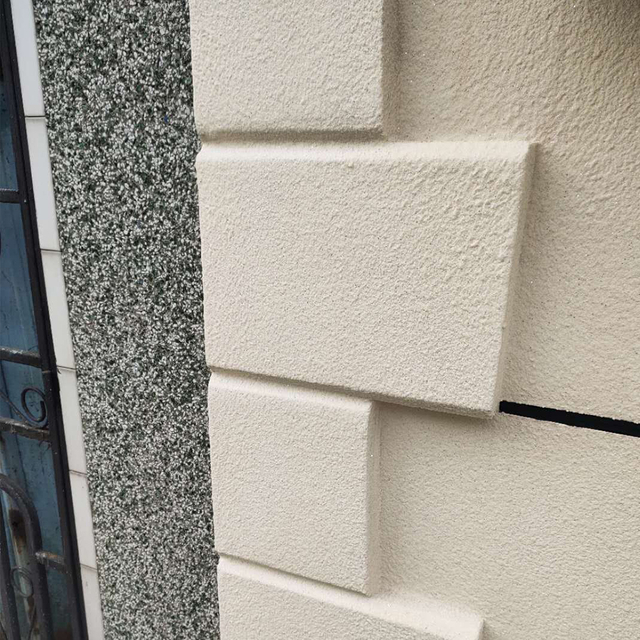
EPS cornice products are installed as exterior moulding elements to frame and highlight façade features. They are typically fixed onto finished exterior walls as part of decorative systems. In large construction projects, EPS Cornice Moulding allows repeated installation using the same profile geometry. This supports efficient coordination between design drawings and on-site execution. Common functional uses include edge definition, façade segmentation, and decorative alignment. Typical exterior moulding roles include:
● creating visual separation between building levels
● emphasizing horizontal or vertical façade lines
● supporting consistent architectural rhythm across elevations EPS Cornice Moulding fits within exterior decoration workflows rather than structural construction stages.
EPS Cornice Moulding is commonly applied at specific exterior positions where decorative continuity matters. These locations are consistent across residential and commercial building designs. Typical application areas include:
● roof edges and eaves
● transitions between floors or façade sections
● door and window surrounds
● decorative columns and linear trims
The table below summarizes common positions and their decorative purpose:
Application position | Decorative purpose |
Roofline and eaves | Visual termination of the façade |
Floor transitions | Horizontal alignment and proportion |
Openings | Framing and emphasis |
Vertical trims | Rhythm and repetition |
EPS Cornice Moulding supports cost management by offering a material option suitable for large quantities of exterior decoration. In large-scale construction, decorative components are often repeated across many buildings or units. Using EPS Cornice Moulding allows planners to estimate decorative material needs more consistently. This helps reduce uncertainty during early-stage budgeting. From a planning perspective, EPS decorative moulding simplifies cost allocation across phases. It fits well into projects where exterior detailing must remain consistent without frequent design changes.
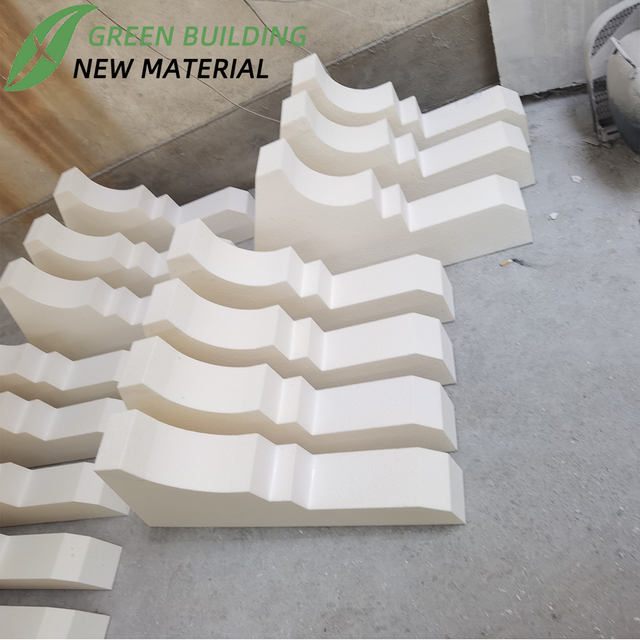
Common budget-related considerations include:
● predictable material usage across multiple buildings
● simplified quantity estimation for repetitive façades
● easier adjustment during phased construction planning
The table below outlines how EPS Cornice Moulding supports large-scale project coordination from a planning perspective:
Project consideration | Relevance in large-scale construction |
Material handling | Easier coordination across multiple buildings |
Repetition control | Supports consistent exterior detailing |
Installation workflow | Enables standardized on-site procedures |
Façade coordination | Simplifies alignment with exterior finishes |
Maintenance planning | Supports unified exterior management |
Installation practicality is an important benefit when EPS Cornice Moulding is used on large projects. The material is lightweight, which affects how it is handled on site. Workers can move and position exterior moulding elements without heavy equipment. This supports steady installation progress across multiple elevations. In repetitive exterior decoration work, EPS Cornice Moulding allows installers to follow consistent workflows. This reduces variation in installation methods between buildings.
Typical practical advantages include:
● easier transport within construction sites
● reduced handling complexity during exterior works
● consistent installation processes across large areas
Large-scale developments often require the same decorative profiles across many structures. EPS Cornice Moulding supports this need by enabling repeated use of identical exterior moulding shapes. Consistency is important for maintaining a unified architectural appearance. When multiple buildings share the same façade language, uniform moulding becomes essential. EPS Cornice Moulding helps achieve visual continuity without frequent on-site adjustments. This is especially relevant in residential compounds and commercial complexes.
Key consistency-related factors include:
● uniform exterior profiles across buildings
● stable visual alignment between façades
● reduced variation in decorative detailing
Decorative elements influence façade planning even when they are non-structural. EPS Cornice Moulding is lightweight, which limits its impact on exterior walls. This characteristic is relevant during façade-related planning discussions. Designers can integrate decorative moulding without significantly changing wall load considerations. In large projects, this simplifies coordination between decorative design and façade construction. EPS Cornice Moulding remains a surface-applied element rather than a structural component.
General planning implications include:
● minimal influence on façade load considerations
● flexible integration with exterior wall assemblies
● simplified coordination between trades
Durability is a key consideration for exterior decorative materials used at scale. EPS Cornice Moulding is intended for exterior decorative use rather than structural exposure. When applied as part of exterior decoration systems, it supports long-term visual consistency. For large property portfolios, maintaining exterior appearance across buildings is important. EPS moulding allows planners to consider maintenance coordination early in the project lifecycle.
Maintenance-related considerations often include:
● inspection planning across multiple buildings
● surface condition monitoring over time
● coordination of exterior maintenance schedules
EPS Cornice Moulding contributes to building envelope design through visual definition rather than structural performance. It helps shape façade composition by defining edges and transitions. In large-scale projects, envelope design often balances functional requirements and exterior appearance. EPS cornice elements support this balance by reinforcing architectural lines. They are typically coordinated with exterior wall finishes to ensure visual alignment.
Common envelope-related roles include:
● visual framing of façade sections
● alignment with exterior wall finishes
● reinforcement of architectural proportions
EPS Cornice Moulding is widely applied in housing developments to maintain consistent exterior decoration across many units. Residential projects often repeat the same façade language, which makes uniform decorative elements important. Using EPS Cornice Moulding helps planners manage repetition without redesigning details for each building. It supports clear coordination between drawings and on-site installation. In large residential compounds, exterior decoration must remain aligned across phases. This approach reduces visual variation between blocks. Common residential uses include:
● defining roof edges and eaves across housing rows
● framing windows and doors with consistent profiles
● maintaining uniform exterior lines in multi-building estates
Commercial and public buildings often balance appearance with construction practicality. EPS Cornice Moulding is used as an exterior decorative element in offices, retail buildings, and public facilities. These projects usually involve larger façades and longer elevations. Decorative elements must remain visually clear while fitting construction schedules. EPS Cornice Moulding allows exterior decoration to follow standardized layouts. This supports architectural intent without adding complexity to site coordination. Typical application contexts include:
● office buildings with repeated façade modules
● retail complexes requiring consistent exterior identity
● public facilities with defined exterior transitions
Exterior architectural detailing relies on clear transitions and defined surface lines. EPS Cornice Moulding is integrated with exterior walls and façades as a surface-applied decorative component. It is used to emphasize edges, breaks, and alignment points on building exteriors. These elements help guide visual flow across elevations. EPS moulding is often coordinated with exterior finishes to maintain continuity. The table below summarizes common detailing roles and their purpose:
Detailing role | Purpose in exterior design |
Roofline transitions | Define façade termination |
Façade segmentation | Organize large exterior surfaces |
Opening surrounds | Frame doors and windows |
Linear trims | Create rhythm and alignment |
These applications help maintain a cohesive exterior appearance across large building projects. |
EPS Cornice Moulding and plaster cornices differ mainly in handling and installation approach. Plaster elements are typically heavier and require careful on-site preparation. Their installation often depends on skilled labor and controlled conditions. EPS Cornice Moulding is handled as a finished decorative component. It supports a more standardized installation process across large façades. This difference affects planning when many identical decorative profiles are required. Key handling and installation distinctions include:
● plaster cornices often involve wet processes on site
● EPS Cornice Moulding is installed as a dry decorative element
● installation sequencing is easier to repeat with EPS systems These differences influence how teams plan labor and scheduling on large projects.
Cement-based decorative elements are commonly used for exterior detailing but introduce weight-related considerations. Their mass affects transportation and on-site movement. EPS Cornice Moulding is significantly lighter in comparison, which changes how it is handled during exterior works. This characteristic supports smoother coordination in multi-building projects. When decorative elements are installed at height, handling simplicity becomes more relevant. The table below outlines general handling considerations:
Material type | On-site handling consideration |
Cement-based elements | Heavier components, careful lifting |
EPS Cornice Moulding | Lighter components, easier positioning |
These differences affect installation workflow rather than visual intent. |
Wood decorative components have been used in exterior applications but require attention to environmental exposure. Wood surfaces can react to moisture, temperature changes, and long-term weather conditions. EPS Cornice Moulding is used as an exterior decorative solution where stable appearance is required. This difference influences maintenance planning for large developments. Environmental exposure is an important consideration when decorative elements are repeated across many buildings. Common exterior durability considerations include:
● moisture exposure across façades
● long-term appearance consistency
● maintenance coordination across sites EPS Cornice Moulding supports exterior decoration planning where environmental conditions must be managed consistently.
Stable production and supply planning is essential when sourcing EPS Cornice Moulding for large projects. Large developments rely on repeated exterior details across multiple buildings. Any interruption in supply can affect sequencing and coordination. EPS Cornice Moulding is typically ordered in batches aligned with construction phases. Planning supply continuity helps teams maintain consistent exterior progress. It also supports predictable scheduling across sites. Key planning considerations include:
● aligning supply schedules with phased construction
● maintaining consistent moulding profiles across batches
● avoiding gaps between production and installation windows
Logistics and on-site coordination influence how EPS Cornice Moulding is handled from delivery to installation. Transportation planning affects how decorative components arrive at different locations. Storage conditions on site must support organized access without interfering with other trades. Handling processes should remain consistent across buildings to avoid installation variation. These factors matter more as project scale increases. The table below outlines common coordination points and their focus:
Coordination stage | Primary consideration |
Transportation | Timely delivery across multiple sites |
On-site storage | Organized placement near work zones |
Material handling | Consistent movement and positioning |
Installation flow | Alignment with façade work schedules |
Drawing consistency plays a key role in successful EPS Cornice Moulding installation. Exterior moulding profiles must match design drawings across all buildings. Misalignment between drawings and installed elements can lead to visual inconsistency. Coordination between design teams and site crews helps reduce rework. Clear reference points support accurate placement during installation. Common alignment considerations include:
● consistent profile references in construction drawings
● clear installation benchmarks on façades
● coordination between decorative and façade teams
Exterior decorative materials are subject to building codes that address safety, placement, and installation practices. When EPS Cornice Moulding is specified for exterior use, project teams need to confirm it aligns with applicable local and regional regulations. These rules often focus on how decorative elements are fixed to façades rather than their visual design. In large-scale projects, consistent interpretation of code requirements matters across multiple buildings. Clear documentation helps reduce coordination issues during inspections. Common regulatory considerations include:
● permitted use of exterior decorative materials
● attachment methods and placement locations
● coordination with façade and envelope requirements These points guide planning without changing architectural intent.
Environmental considerations are increasingly part of material selection decisions. EPS Cornice Moulding is made from expanded polystyrene, which raises questions about recyclability and material lifecycle. EPS materials can be collected and processed through established recycling channels in many regions. For large projects, understanding material flow helps support sustainability planning. This perspective focuses on material handling rather than performance claims. The table below outlines key sustainability-related aspects:
Aspect | Relevance in project planning |
Material recyclability | Supports waste management planning |
Material volume | Affects transportation and storage |
Long-term use | Influences replacement cycles |
These factors are typically reviewed during early design coordination. |
Modern construction practices emphasize durability and consistent appearance over time. EPS Cornice Moulding is used in contemporary projects as a decorative element that fits standardized construction systems. Its role remains visual rather than structural. In large-scale developments, long-term use considerations focus on coordination, maintenance access, and consistency across buildings. EPS Cornice Moulding supports these needs within current construction workflows. Long-term planning considerations often include:
● alignment with modern façade systems
● coordination of exterior maintenance activities
● consistency across phased development stages
EPS Cornice Moulding fits large-scale construction through consistent exterior detailing and practical project coordination.
Careful sourcing supports cost planning, installation workflows, and long-term façade management across multiple buildings.
Jinhua Green Building Industry & Trading Co.,Ltd provides EPS Cornice Moulding that supports stable supply and long-term project value.
A: EPS Cornice Moulding functions as a non-structural exterior decorative element that supports consistent façade detailing across multiple buildings.
A: EPS Cornice Moulding is suitable when projects require repeated exterior profiles and coordinated decoration across phased construction.
A: EPS Cornice Moulding supports standardized installation workflows and predictable handling across large façades.
A: EPS Cornice Moulding influences budgeting through repeatable quantities, planning accuracy, and coordinated procurement.
A: EPS Cornice Moulding simplifies long-term exterior management through consistent detailing across building portfolios.