Views: 0 Author: Site Editor Publish Time: 2026-02-22 Origin: Site
Clean edges shape how spaces feel.
But poor installation can ruin decorative details.EPS Cornice Moulding plays a key role in modern interior and exterior design.
It defines transitions while keeping structures lightweight.In this guide, you will learn how correct installation improves durability, safety, and visual results.
EPS Cornice Moulding is produced from expanded polystyrene foam. The material forms through the controlled expansion of polystyrene beads. Heat causes the beads to expand and fuse together. This process creates a closed-cell structure. The structure combines low weight and stable shape. It supports decorative use without adding structural load. After expansion, EPS blocks are shaped into profiles. Precision cutting equipment forms consistent dimensions. Profile accuracy affects installation results directly. Misalignment often comes from uneven profiles rather than poor fixing. To improve surface performance, a protective coating is applied. The coating improves durability and adhesion. It also prepares the surface for fillers and paints.
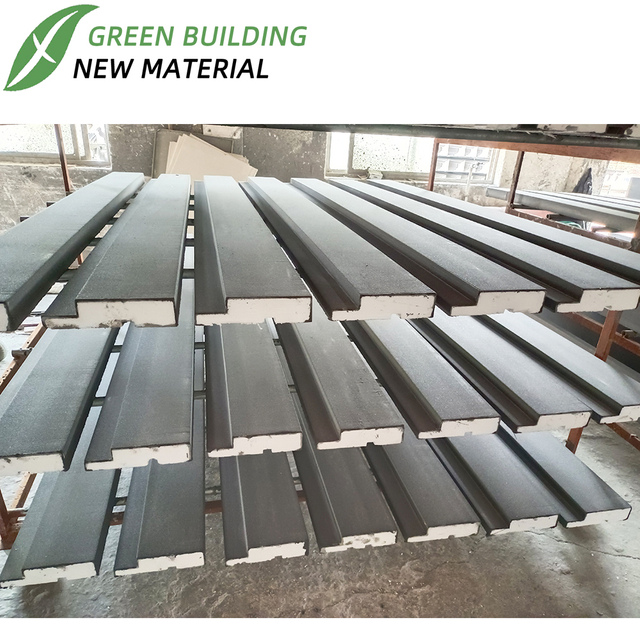
Key manufacturing factors that influence installation include:
● Material density, which affects edge strength and handling stability
● Surface coating, which improves bonding and finishing quality
● Profile accuracy, which reduces joint gaps and alignment issues
These factors work together. Balanced density supports clean cutting. Consistent coating prevents surface damage. Accurate profiles reduce on-site correction work.
EPS Cornice Moulding defines transitions between architectural elements. It softens the junction between walls and ceilings. This improves visual flow and spatial balance. On exterior walls, it breaks up large surfaces. It also highlights rooflines and façade edges. These transitions help guide visual proportion. They also reduce the impact of minor surface irregularities. The functional role remains decorative rather than structural. EPS Cornice Moulding does not support loads. It works as a visual and finishing component. Its lightweight nature makes it suitable for many building types.
Typical functional uses include:
● Wall–ceiling junctions in interior rooms
● Rooflines and eaves on exterior façades
● Horizontal divisions across large wall surfaces
The same element can serve different purposes. Interior use focuses on visual refinement. Exterior use emphasizes definition and continuity.
EPS Cornice Moulding systems include linear elements and shaped elements. Each form serves a distinct architectural role. Linear elements create continuous lines. Shaped elements add focal points and depth. Both forms often work together in a single design. Linear profiles are the most widely used. They are installed in long runs. Consistent joints and spacing are critical. Shaped elements require more detailed planning. Geometry and symmetry matter more in these cases.
The table below outlines common forms and their typical roles:
Product form | Typical placement | Primary design function |
Linear cornices | Wall–ceiling junctions | Visual transition |
Eave trims | Rooflines and eaves | Edge definition |
Columns | Façades and entrances | Vertical emphasis |
Keystones | Arches and openings | Decorative focal point |
Arches | Doors and windows | Framing and depth |
EPS Cornice Moulding requires a stable and compatible base. Interior installations usually rely on plaster, drywall, or painted masonry. Exterior applications often involve concrete, cement render, or insulated façade systems. The surface must support continuous bonding. Weak or friable layers reduce adhesion and cause early failure. Moisture control is critical, especially outdoors. Damp substrates prevent proper curing. Flatness also matters, since uneven walls create visible gaps. Before fixing, installers should confirm the base meets three basic conditions:
● Dry surface with no active moisture or condensation
● Sufficient mechanical strength to hold bonded profiles
● Surface flatness within acceptable visual tolerance
Any loose paint, dust, or oil must be removed. Minor irregularities should be leveled before installation. Proper preparation reduces corrective work later.
Accurate layout ensures clean visual lines. Installers should establish reference lines on walls and ceilings. These lines guide placement and maintain consistent geometry. For EPS Cornice Moulding, small deviations become noticeable over long runs. A level or laser tool helps maintain alignment. Planning must account for corners, openings, and changes in direction. Internal and external corners require different cutting angles. Long runs need planned joints to manage movement. A simple planning checklist helps reduce errors:
● Mark reference lines before cutting
● Identify corner types and joint locations
● Plan installation sequence from fixed points
Cutting accuracy affects joint quality. Straight cuts require stable support and sharp tools. Internal corners usually need opposing angled cuts. External corners reverse the angle orientation. Incorrect orientation leads to visible seams. Shaped or curved elements demand extra care. Their geometry must align with surrounding profiles. Test fitting before bonding is essential. Common cutting considerations include:
● Use fine-tooth tools to avoid surface tearing
● Dry-fit each piece before adhesive application
● Adjust cuts gradually rather than removing excess material
Adhesive choice must match EPS materials. Solvent-free adhesives are required to avoid foam damage. For exterior use, adhesives must resist moisture and temperature changes. Compatibility ensures long-term bonding stability. Full-surface bonding is recommended. Spot fixing creates stress points and weak adhesion. Adhesive should be applied evenly along contact areas. The table below outlines common fixing principles:
Fixing aspect | Recommended approach |
Adhesive type | EPS-compatible, solvent-free |
Application | Continuous beads or full spread |
Contact area | Entire back surface |
Pressure | Firm, even placement |
After placement, EPS Cornice Moulding must remain stable during curing. Temporary support may be needed for large or exterior profiles. This prevents slippage before adhesive sets. Support methods should not damage the surface. Curing time varies by adhesive and environment. During this period, alignment must remain unchanged. Initial checks should confirm:
● Straightness along reference lines
● Full contact between moulding and substrate
● No visible movement or separation
Joints require careful planning, especially on long installations. Small gaps allow for adjustment and filling. Tight joints without allowance can crack later. Exterior applications face thermal movement. Expansion joints help absorb these changes. Joint spacing depends on run length and exposure. Installers should avoid rigid connections over long distances. Key joint considerations include:
● Leave controlled gaps at planned joint points
● Use flexible fillers where movement is expected
● Avoid forcing sections together under tension
Exterior installation of EPS Cornice Moulding depends strongly on site conditions. Temperature affects adhesive curing and bond strength. Very low temperatures slow curing and reduce adhesion. Excessive heat can shorten open time and weaken initial positioning. Humidity also plays a role, especially on mineral substrates. High moisture levels prevent proper bonding and may trap water behind the profile. Weather exposure must be controlled during installation. Rain, frost, or strong wind can compromise alignment. Installers should plan work during stable conditions. Common environmental limits to consider include:
● Moderate temperatures that support adhesive curing
● Dry surfaces without active moisture
● Calm weather that allows precise placement
Proper timing reduces the risk of early detachment and surface defects.
EPS Cornice Moulding is often installed on insulated façade systems. These systems require careful load distribution. The moulding must bond through the insulation layer without creating stress points. Adhesion should spread evenly across the contact area. Spot fixing concentrates load and increases failure risk. Non-insulated facades present different conditions. Solid masonry offers higher strength but may have surface irregularities. Compatibility between the moulding, adhesive, and substrate remains essential. Key installation considerations include:
● Confirming compatibility with exterior insulation systems
● Ensuring full-surface adhesion for even load transfer
● Avoiding mechanical stress during curing
Balanced adhesion supports stability on both façade types.
EPS Cornice Moulding offers clear lightweight advantages. It reduces load on façades and insulation systems. This makes it suitable for renovation and new construction. However, it does not provide structural support. Stability depends on proper bonding and joint management. Weather resistance relies on installation quality. Poor adhesion allows water ingress. This can lead to cracking or detachment over time. Installers should focus on prevention rather than repair. Effective measures include:
● Continuous bonding to prevent voids behind profiles
● Proper joint treatment to accommodate movement
● Sealing edges to block moisture entry
Correct installation ensures long-term performance under exterior conditions.
Interior installation of EPS Cornice Moulding usually involves drywall, plaster, or painted surfaces. Each surface type requires careful inspection before fixing. Drywall must be firmly secured and free from flex. Loose boards can cause movement after installation. Plaster surfaces should be sound and free from cracks. Painted surfaces need special attention, since glossy or sealed paints reduce adhesion. Surface preparation focuses on cleanliness and stability. Dust, grease, or loose paint must be removed. Light sanding improves bonding on smooth finishes. The table below outlines common interior surfaces and preparation needs:
Surface type | Key preparation focus |
Drywall | Secure fixing and clean surface |
Plaster | Crack repair and dust removal |
Painted walls | Light sanding and degreasing |
Interior spaces demand higher visual accuracy than exterior areas. EPS Cornice Moulding sits within close viewing distance. Small alignment errors become noticeable under indoor lighting. Straight reference lines are essential. Corners must meet cleanly without visible steps or gaps. Visual tolerance indoors is limited. Installers should focus on:
● Continuous alignment along walls and ceilings
● Clean junctions at internal and external corners
● Even joint widths for a balanced appearance
Interior and exterior installations differ in materials and techniques. Adhesives used indoors often focus on ease of use and clean finishing. Exterior adhesives prioritize moisture and temperature resistance. Fillers also vary, since indoor joints face less movement. The table below highlights key differences between interior and exterior approaches:
Aspect | Interior installation | Exterior installation |
Adhesives | Low-odor, EPS-compatible | Weather-resistant |
Fillers | Fine, sandable fillers | Flexible, movement-tolerant |
Finishing | Interior paints and coatings | Exterior-grade coatings |
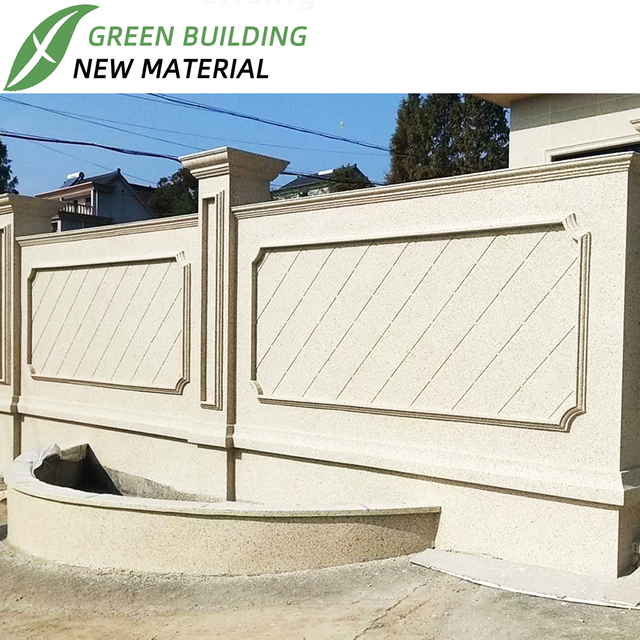
Filling joints is a critical step after installing EPS Cornice Moulding. Joints between sections must blend into a continuous surface. Small gaps often appear at corners or long runs. These gaps need proper filling to avoid visible seams after painting. The filler should match the application environment. Interior areas require smooth, sandable fillers. Exterior areas need fillers that tolerate movement. Application technique affects the final result. Filler should be pressed fully into joints. Excess material should be removed before curing. Light sanding after drying creates a uniform surface. Key points during joint filling include:
● Use fillers compatible with EPS surfaces
● Fill joints completely without trapping air
● Sand lightly to maintain profile definition
Priming prepares EPS Cornice Moulding for paint adhesion. It seals the surface and evens absorption. Without primer, paint may appear uneven. Water-based primers are commonly used due to EPS compatibility. Solvent-based products can damage the material. Painting follows a controlled sequence. Thin coats reduce surface stress. Adequate drying time prevents cracking. Paint selection depends on location. Interior and exterior environments require different performance levels. The table below outlines a typical coating sequence:
Step | Purpose |
Primer application | Seal surface and improve adhesion |
First paint coat | Establish base color |
Second paint coat | Achieve uniform finish |
Visual integration ensures EPS Cornice Moulding complements surrounding elements. Cornices, trims, and other profiles should align in scale and proportion. Color consistency plays a major role. Mismatched finishes draw attention to joints and edges. Design integration requires planning beyond installation. Installers should consider:
● Matching paint sheen across decorative elements
● Maintaining consistent profile depth and alignment
● Coordinating cornices with walls, ceilings, and façades
When integrated correctly, the moulding supports the overall design. It enhances continuity without overpowering adjacent surfaces.
Project suitability depends on building type, location, and exposure. EPS Cornice Moulding works well on residential and light commercial buildings. It suits façades and interiors where decorative detailing is required. Environmental exposure must be evaluated before selection. High wind zones, heavy impact areas, or constant moisture require careful assessment. EPS Cornice Moulding is appropriate when the structure supports bonded decorative elements. It is less suitable in areas with heavy mechanical stress. Alternatives may be required in:
● High-impact zones near ground level
● Locations with persistent water exposure
● Structures with unstable or moving substrates
Installation safety depends on working conditions and tools used. Exterior work often involves height. Secure access systems are essential. Scaffolding or platforms should remain stable during installation. Lightweight profiles reduce handling risk, but they still require controlled movement. Tool and material handling also affects safety. Adhesives must be applied carefully to avoid skin contact. Cutting tools should remain sharp to reduce force. Key safety practices include:
● Stable access for façade work
● Controlled handling of long profiles
● Proper storage of adhesives and tools
Most installation issues result from preparation or fixing mistakes. Incomplete bonding leaves voids behind profiles. These voids weaken adhesion and allow moisture entry. Uneven substrates cause visible gaps and misalignment. Poor joint treatment leads to cracking after curing. Avoiding these errors requires attention to detail. Common prevention measures include:
● Full-surface adhesive application
● Substrate leveling before installation
● Proper joint filling and sanding
EPS Cornice Moulding requires limited maintenance when installed correctly. Regular inspection helps detect early issues. Small cracks or joint separation can be repaired with compatible fillers. Repainting may be needed over time due to environmental exposure. Long-term performance depends on installation quality. Proper bonding and sealing extend service life. Maintenance typically involves:
● Visual inspection for cracks or detachment
● Minor surface repairs when needed
● Repainting to maintain appearance and protection
This guide outlines key principles for installing EPS Cornice Moulding correctly.
Proper preparation, fixing, and finishing improve safety and visual quality.Informed installation decisions support durable interior and exterior results.
Jinhua Green Building Industry & Trading Co.,Ltd provides EPS solutions that help ensure stable and consistent decorative performance.
A: EPS Cornice Moulding defines architectural transitions while adding minimal structural load.
A: EPS Cornice Moulding suits stable substrates with controlled moisture and proper adhesive systems.
A: EPS Cornice Moulding lowers lifecycle cost through light maintenance and durable finishes.
A: EPS Cornice Moulding is unsuitable for high-impact zones without additional protection.